Explore/Archaeology
Archaeology
Bishop Museum’s Archaeology Department has studied the cultural heritage of Hawai‘i and its ancestral cultures throughout the Pacific for over a century.
~2 million
artifacts and samples
61+
islands across 12 Pacific island groups
~550
projects across the Hawaiian Islands
12,800+
archaeological sites in the HAS Database
The collections
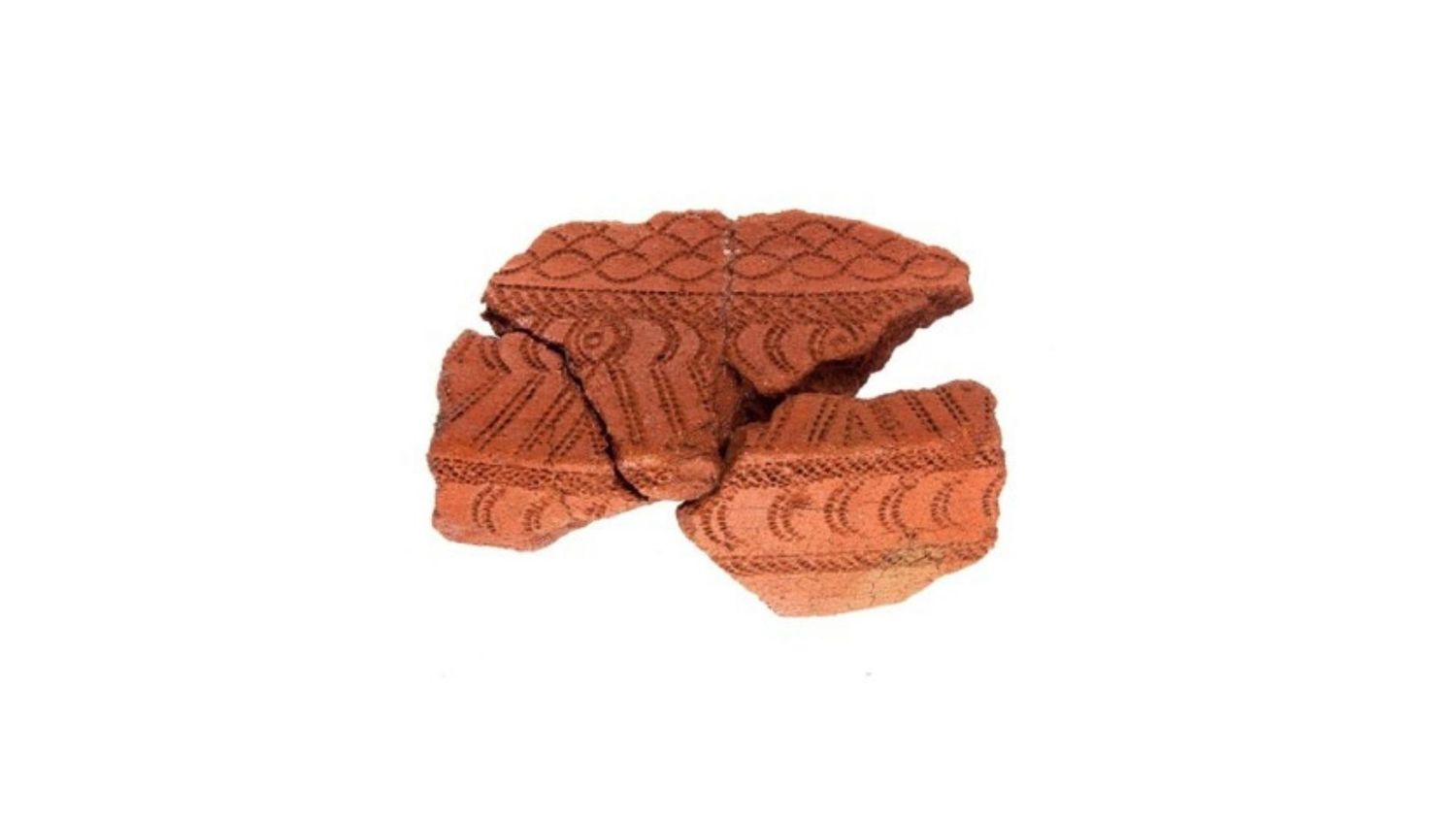
Today, the Archaeology Department houses the world’s largest collection of Hawaiian and Pacific artifacts from archaeological contexts. Many of the sites excavated by Bishop Museum archaeologists are fundamental to our understanding of the cultural past of Oceania, including the first firmly-rooted cultural chronologies for the Hawaiian archipelago and wider Pacific region.
The collections consist of an estimated two million artifacts and samples from both academic and commercial archaeological projects, with approximately 70,000 additional related items — photographs, negatives, a reference library, and archival material including field notes, maps, and manuscripts. The Hawaiian Collections contain material and data from approximately 550 projects on seven of the eight primary Hawaiian Islands; the Pacific Collections house material from more than 61 islands within 12 island groups. Supplementing these are shell, faunal, wood and seed, historical, and geological reference collections, and an education collection used for outreach and public presentations.
Research
2 publications
Papers, reports and books by Archaeology staff, with the PDF where there is one — readable in place and open to questions.
All Archaeology publications ›2023
Rats, Bats, and Birds: The role of non-human ecosystem engineers in pre-European Polynesian agricultureQuintus, S., J.M. Huebert, J.A. Swift, and K. Yoo · The Power of Nature: Archaeology and Human-Environmental Dynamics
2022
Huli hele nā wahi pana (seeking out storied places): The contributions of John F.G. Stokes to the field of Hawaiian archaeologyMulrooney, M.A., and J.A. Swift · : 257–269
Research
Ho‘omaka Hou Research Initiative
Ho‘omaka hou means “to begin anew.” Established in 2013, HHRI fosters collaborative, collections-based research using cutting-edge archaeological science — stable isotopes, ancient proteins, ancient DNA — on existing collections from the Hawaiian Islands, Rapa Nui, New Britain, Tikopia, the Marquesas, and the Society Islands. This work has produced updated chronologies for island migrations and settlement, and new understanding of how past people across the Pacific interacted with and managed their environments.
Current initiatives include NSF-funded research on long-term sustainable agriculture in Hālawa Valley, Moloka‘i (with Patrick V. Kirch and Noa Lincoln, University of Hawai‘i at Mānoa), and zooarchaeological investigations of human land use across Mangareva, Tikopia, Maui, Moloka‘i, and Hawai‘i Island.
Searchable databases
Deeper tools kept by the department itself.
data.bishopmuseum.org
HHRI Online Fishhook Database
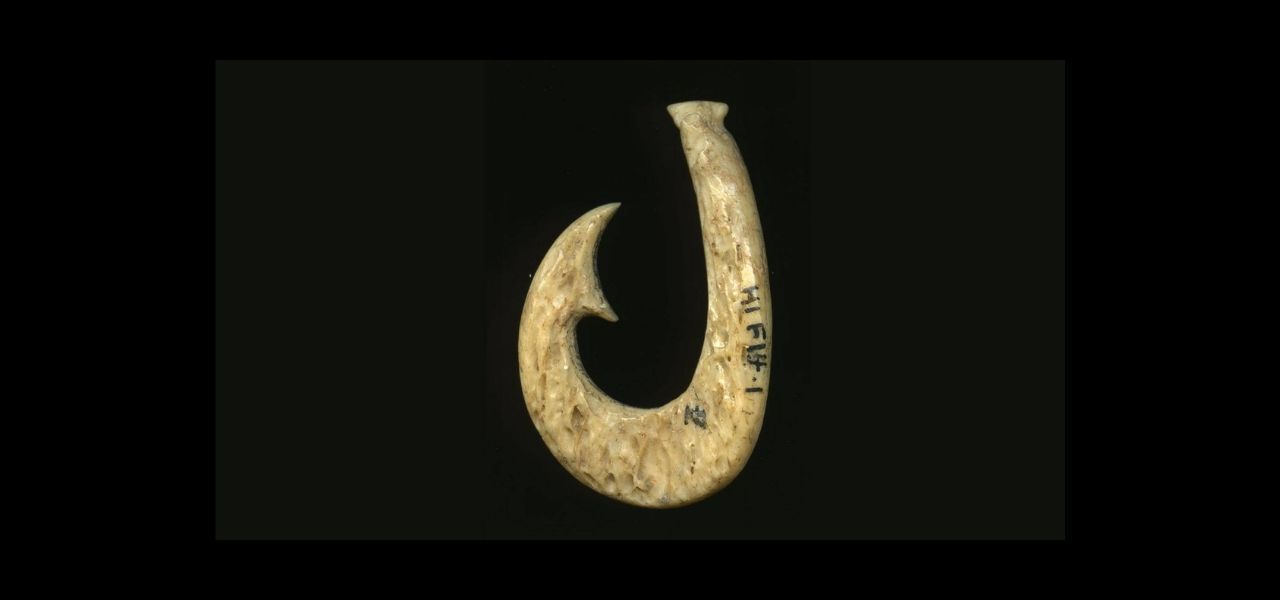
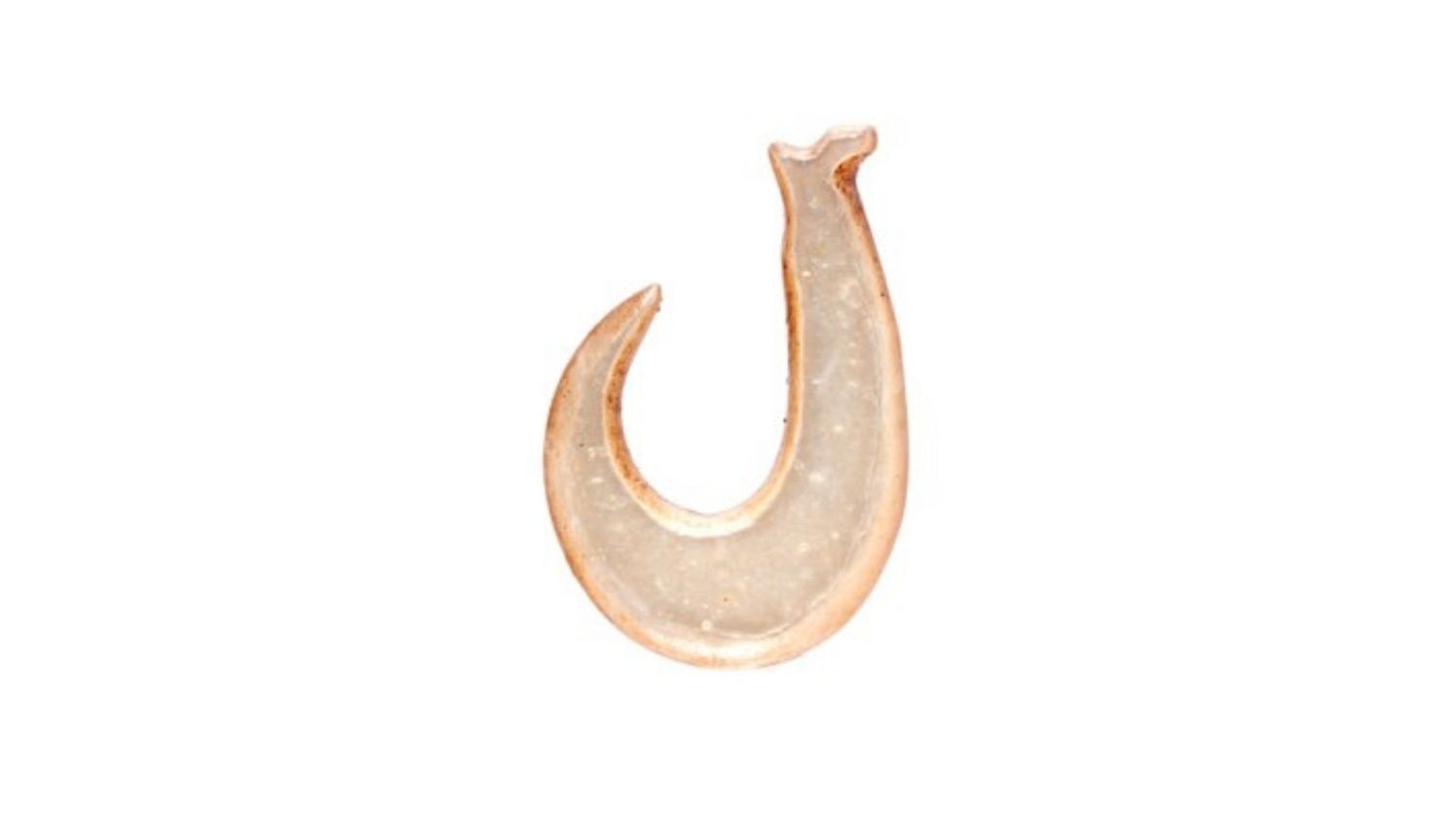
Over 4,000 fishhooks from cultural sites in Ka‘ū, Hawai‘i Island, excavated in the 1950s
data.bishopmuseum.org
Hawaiian Archaeological Survey (HAS)
12,800+ archaeological sites — temporarily offline while migrating to an improved platform with enhanced search, mapping, and export
data.bishopmuseum.org
Rapa Nui Interactive Radiocarbon Database
Spatial database of 300+ radiocarbon dates from archaeological research on Rapa Nui
data.bishopmuseum.org
Manuscript Database
Manuscripts of the Archaeology Department
data.bishopmuseum.org
Hawaiian Ethnobotany Online
Plants and their uses in Hawaiian culture
Collection access & loans
Collections — artifacts, excavation records, maps, field notes, and other resources — are available to researchers, students, and community members. All research requests must be submitted in advance. Access to certain collections may be restricted due to cultural sensitivities, conservation requirements, or ongoing research. Explicit written permission is required in advance to publish photographs of objects in the Archaeology Collection.
archaeology@bishopmuseum.orgBe a part of our story
Celebrate the extraordinary history, culture, and environment of Hawaiʻi and the Pacific with a gift to Bishop Museum. As a partner in the Museum’s work, you help sustain the collections, the research and the knowledge behind every record on this site.