

Caranx sexfasciatus
Big-eye Trevally
Quoy & Gaimard, 1825Accepted name in the World Register of Marine Species.WoRMS 218404 ↗
Photo: (c) Mark Rosenstein, some rights reserved (CC BY-NC), uploaded by Mark Rosenstein (iNaturalist)
42
Bishop specimens
0
Type specimens
1900
First collected
2004
Last collected
2026
Last seen alive in Hawaiʻi
In the Library
Bishop Museum publications whose pages name Caranx sexfasciatus, most mentions first.
2001
Marine species survey of Johnston Atoll, central Pacific Ocean, June 2000Coles, S.L., R.C. DeFelice & D. Minton · Contribution to the Hawaii Biological Survey · 1 page
1999
Nonindigenous marine species introductions in the harbors of the south and west shores of Oahu, HawaiiColes, S.L., R.C. DeFelice, & L.G. Eldredge · Contribution to the Hawaii Biological Survey · 1 page
1997
Biodiversity of marine communities in Pearl Harbor, Oahu, Hawaii with observations on introduced exotic speciesColes, S.L., R.C. DeFelice, L.G. Eldredge, J.T. Carlton, R.L. Pyle, & A. Suzumoto · Contribution to the Hawaii Biological Survey · 1 page
1996
Records of the Hawaii Biological survey. Part 2: NotesEvenhuis, N.L. & S.E. Miller, editors · Contribution to the Hawaii Biological Survey · 1 page
1996
Saddle Road Project: assessment of the impacts on invertebrates (land snails, insects, and other arthropods)Evenhuis, N.L., R.H. Cowie, G.M. Nishida, G.A. Samuelson, and F.G. Howarth · Contribution to the Hawaii Biological Survey · 1 page
1995
Records of the Hawaii Biological Survey for 1995: NotesEvenhuis, N.L. & Eldredge, L.G. (eds) · Records of the Hawaii Biological Survey · 1 page
Where Bishop collected it
5 mapped specimens. Localities of endangered species are shown approximately.
Two centuries of collecting
The oldest Bishop specimen was collected in 1900 by A. Seale (Guam). The Museum last collected it in 2004; iNaturalist observers have seen it in the wild as recently as September 5, 2026.
Alive today
25 research-grade iNaturalist sightings in the wild in Hawaiʻi since 2000. Most recent first.
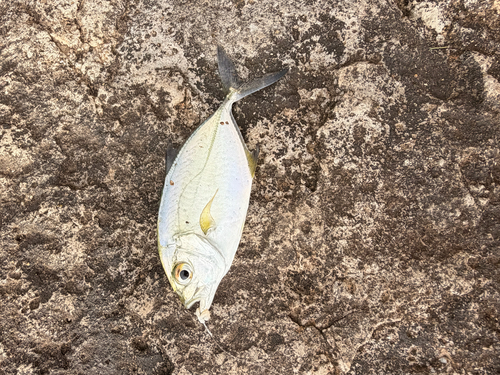
2026-09-05
Honolulu County, US-HI, US
(c) GairoDaGlutton, some rights reserved (CC BY-NC)
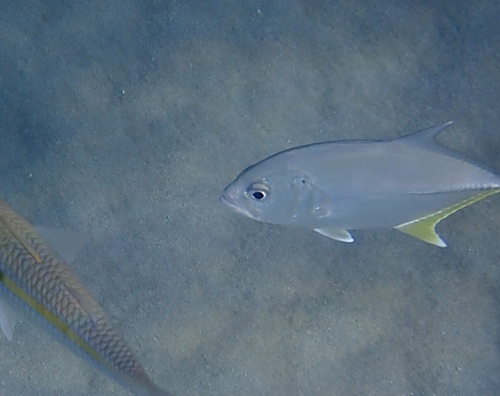
2026-05-05
Kaunaʻoa Bay, HI, US
(c) marigrob, some rights reserved (CC BY-NC)
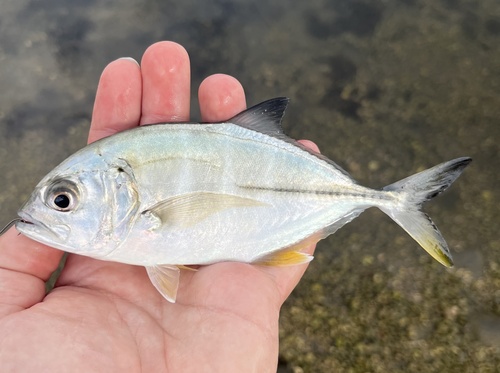
2026-01-11
Hawaii, US
(c) Jacob, some rights reserved (CC BY-NC)
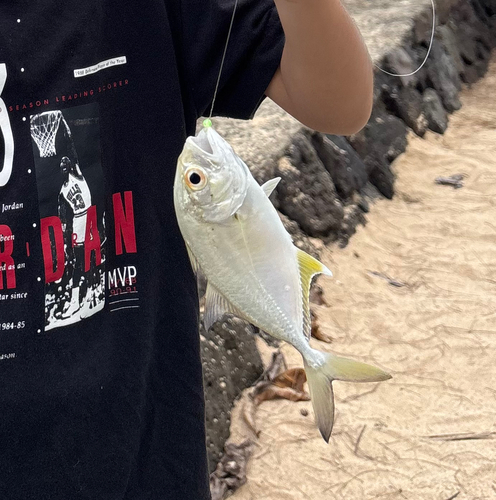
2025-12-27
Farrington Hwy, Mokulēʻia, HI, US
(c) Kaycie Tadena, some rights reserved (CC BY-NC)
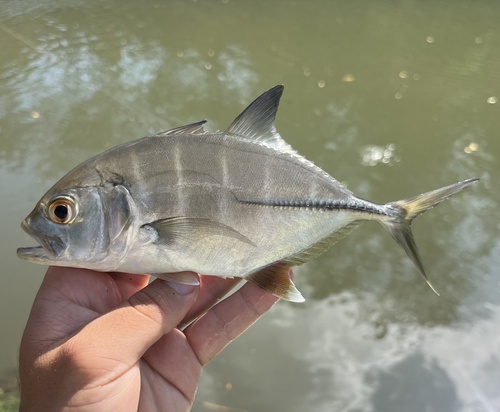
2025-11-30
Honolulu County, US-HI, US
(c) Jacob, some rights reserved (CC BY-NC)
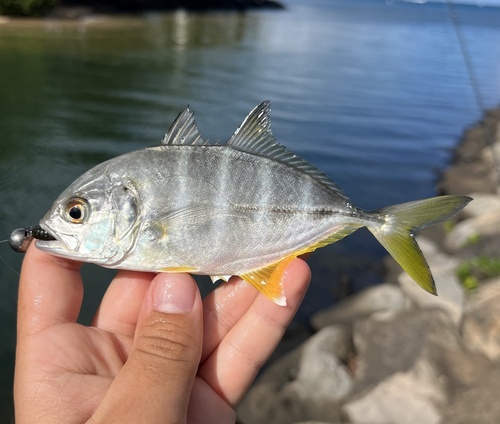
2025-11-16
Honolulu County, US-HI, US
(c) Jacob, some rights reserved (CC BY-NC)
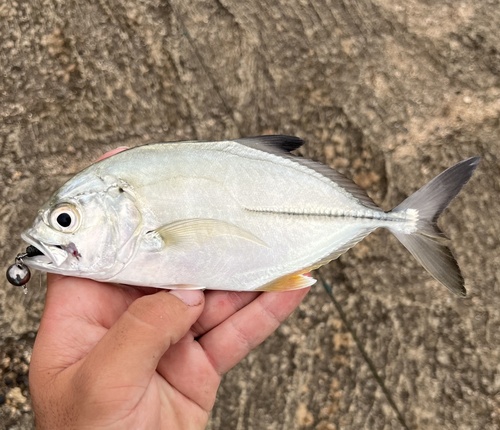
2025-11-11
Honolulu County, US-HI, US
(c) Jacob, some rights reserved (CC BY-NC)
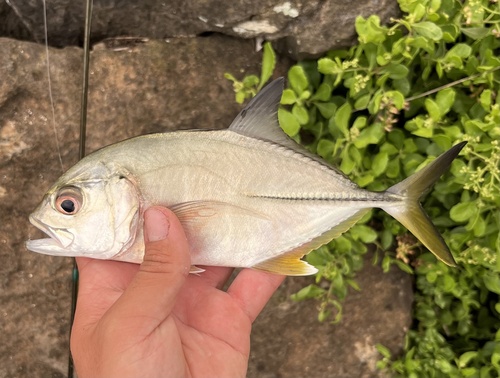
2025-11-11
Honolulu County, US-HI, US
(c) Jacob, some rights reserved (CC BY-NC)